- Simple Science
- Posts
- How to Live in a Mold-Prone World
How to Live in a Mold-Prone World
By minimizing exposure, of course, but how exactly?

Myrto Ashe
March 10, 2026

jj
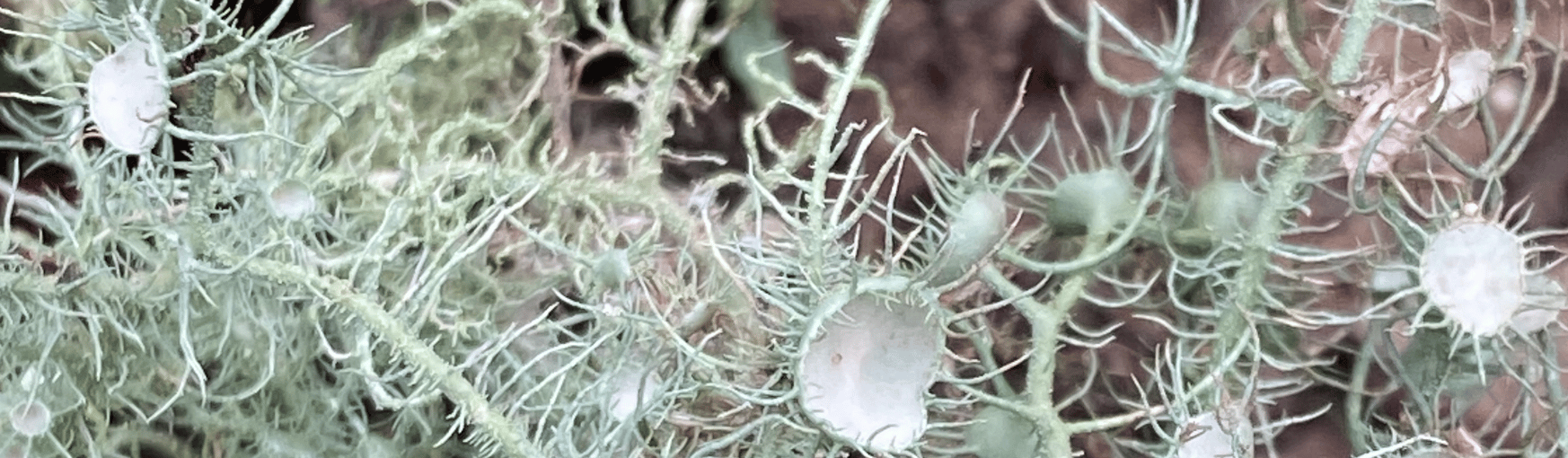
This is lichen, not mold… Arizona Beard Lichen
A Guide to Minimizing Mold and Mycotoxins
Everyday foods may harbor toxins that drive gut symptoms — people with gastrointestinal problems or other health issues may want to at least temporarily pay close attention to food freshness.
This guide will recommend specific foods, storage practices, and brands.
⚡ Quick Takes
1. 60% of US adults have GI symptoms, and the food in your pantry may be a contributing factor — not because it's visibly spoiled, but because of invisible fungal toxins called mycotoxins.
2. Mycotoxins damage the gut lining. Multiple well-studied toxins — including aflatoxin, ochratoxin, and deoxynivalenol — have been shown in human and animal research to increase intestinal permeability, disrupt the microbiome, and drive inflammation.
3. The highest-risk foods are corn, peanuts, wheat, dried fruit, and some spices (especially chili, paprika, and black pepper). Coffee, tree nuts, and oats carry lower but real risk — manageable with smart brand choices.
4. A positive mycotoxin urine test doesn't mean you have a moldy building. Normal consumption of grains, coffee, wine, and nuts can produce detectable urine levels. Food sources and building sources cannot be separated by urine testing alone.
5. The safest foods if you're symptomatic: fresh meat and fish, freshly picked vegetables, citrus, quinoa, purity-protocol oats, white rice, and produce with good turnover.
Why Your Gut Might Be Reacting to Something You Can't See
About 60% of US adults report gastrointestinal symptoms — bloating, irregular bowel habits, cramping, fatigue after eating. Most practitioners address food sensitivities, stress, or gut dysbiosis. And indeed this solves the problem for many patients. But sometimes symptoms persist and it’s time to think further and consider microscopic mold.
This newsletter started as a deep dive into one question: do mycotoxins — the toxic byproducts of mold fungi — actually cause leaky gut? The answer turned out to be yes, and the picture that emerged was broader and more practical than I expected.
Mold doesn't just grow on forgotten leftovers. Certain fungi colonize crops in the field or during storage, and their toxins persist even after the food is processed, cooked, or dried. You can't see them, smell them (in most cases), or taste them — and you're almost certainly consuming some of them regularly.
The good news: the risk is not equal across all foods, and informed choices can meaningfully reduce your exposure. Here's what the evidence shows.
What Nobody Told You About Your Pantry (and Fridge)
Here's a question worth sitting with: when did you last replace your paprika? Or your ground flaxseed? Or that open bag of oats in the back of the cupboard?
Most of us operate without any real framework for mold risk in stored food. We know the basics — don't eat visibly moldy bread, don't drink spoiled milk — but the deeper guidelines are rarely discussed in mainstream health education, even though they matter quite a bit for people with GI sensitivity.
The core problem is this: mycotoxins are produced before visible mold appears. A food can look, smell, and taste normal and still carry a meaningful toxin load — particularly if it was exposed to humidity at any point in the supply chain or in your home.
What the guidelines actually say (and most consumers don't know):
Spices should be replaced every 12 months for ground spices and every 1–2 years for whole spices. The FDA and major food safety bodies consider ground spices a high-risk category for mycotoxin accumulation, especially paprika, chili, and black pepper. Most households are well outside these windows.
Nuts and seeds in opened packages have a recommended shelf life of 1–3 months at room temperature, 6 months refrigerated, and up to a year frozen. And that assumes they were crisp and processed under ideal circumstances before they got to you.
Whole grains and flours are typically safe for 3–6 months in the pantry once opened — less for whole-grain flours with intact germ and bran, which go rancid and become more hospitable to mold faster than refined flours.
Dried fruit has no good solution from a mycotoxin standpoint. Raisins, currants, and sun-dried tomatoes are among the most consistently contaminated foods in survey data. Commercially, they're within regulatory limits — but "within limits" and "low risk for a sensitive gut" are not the same thing.
Coffee (whole bean or ground) should ideally be used within 2–4 weeks of opening, stored in an airtight container away from heat. Pre-ground coffee stored in a warm kitchen for months is a different product from freshly opened specialty beans.
Vegetables and fruit should be consumed within 1-2 weeks. Whenever soft spots appear, mold may sadly have contaminated the entire item.
The uncomfortable reality: most pantries, inspected honestly against these guidelines, contain multiple items that are well past their optimal window. This isn't a hygiene failure — these guidelines simply aren't widely communicated. And food is expensive enough without having to throw it out based on strict rules.
A simple audit to start with:
Go through your spices, nuts, seeds, and grains. Check open dates or purchase dates. If you’ve been having health issues, anything ground, opened, and older than a year is worth replacing. Anything that smells musty, dusty, bitter, or flat — regardless of date — should be discarded.
Mycotoxins and the Gut: What the Research Shows
The term "leaky gut" — or more precisely, intestinal permeability — refers to a breakdown in the tight junctions between intestinal epithelial cells. When those junctions loosen, partially digested food particles, bacterial fragments, and toxins can pass into the bloodstream and trigger systemic immune responses. It's an increasingly recognized contributor to chronic inflammation, a precursor to autoimmune conditions, and a factor in a range of health issues.
Several major mycotoxin families have now been studied for their effects on intestinal barrier function. The findings are consistent: these toxins don't just pass harmlessly through the gut. They cause problems. For details on these, see here.
Which foods carry which possible mycotoxins (Alshannaq & Yu, 2017):
Apples, apple juice, processed fruit products → Patulin
Cereals (wheat, barley, oats) → Ochratoxin A, DON/Trichothecenes, Zearalenone
Coffee → Ochratoxin A
Corn and corn-based products → Aflatoxin, Fumonisins, Zearalenone
Dried fruits and wine → Ochratoxin A
Peanuts → Aflatoxin
Spices and oilseeds → Aflatoxin, Ochratoxin A
Tree nuts → Aflatoxin
Building Mold vs. Food Mold: Can You Tell the Difference?
One of the most confusing areas for patients (and practitioners) is the interpretation of urine mycotoxin testing. A positive result does not automatically mean the person is living or working in a moldy building. It may simply reflect a diet rich in grains, nuts, spices, and dried fruit.
Functional testing labs (such as MosaicDX MycoTOX) state explicitly that ingestion of contaminated foods and inhalation in moldy buildings are equally valid routes for the same analytes — and that the test cannot separate them. Mold-testing and remediation sources summarizing CDC and academic data note that positive urine findings in otherwise healthy people are expected from normal consumption of these foods, and correlate with high consumption of grains, for example.
Suspect building-related mold exposure when you notice:
A musty odor in the home, office, or school
Visible mold growth on walls, ceilings, or under sinks
History of water damage: roof, window, or plumbing leaks
Symptoms that clearly improve when leaving the building and return upon re-entry
Before pursuing expensive environmental testing or remediation, it is worth doing a structured dietary trial to reduce mycotoxin-heavy foods and re-test.
On internal colonization: this is possible but not well-proven. Conventional physicians normally diagnose colonization when they see a fungal ball in a body cavity such as the sinuses.
A Category-by-Category Guide to Mycotoxin Risk in Food
Coffee
Coffee is a frequent concern because green coffee beans can harbor ochratoxin A during post-harvest drying, especially in humid climates with poor processing controls. However, most coffee sold in the US tests below detection limits for OTA.
If you already use an organic, small-batch, single-origin coffee from a company that tests its lots, there is no strong evidence to switch to a more heavily marketed "mold-free" brand. What matters is sourcing quality, storage conditions, and periodic verification.
Brands that publish or make available third-party mycotoxin test results:
Holistic Roasters / Biodynamic Coffee — Demeter-certified biodynamic, USDA organic; states that every batch is third-party lab tested for mold, mycotoxins, and heavy metals.
Fresh Roasted Coffee (lab-tested SKUs) — USDA organic; explains testing methodology in detail; emphasizes specialty-grade 100% Arabica with transparent lab verification.
Lifeboost Coffee — single-origin, high-altitude beans; multiple independent sources report having reviewed mycotoxin documentation from the company.
Natural Force Clean Coffee — USDA organic; publishes test results for mycotoxins, heavy metals, mold, yeast, gluten, and pesticides.
Purity Coffee — tests all batches; their own published data found 5 of 21 commercial coffees had detectable OTA, while Purity's lots were non-detectable.
Tree Nuts
Almonds and pistachios are under rigorous aflatoxin surveillance through the Almond Board, USDA, and export certification programs. Consignments exceeding regulatory limits are blocked from market. This does not mean risk is zero — it means the commercial supply chain has meaningful checks.
Lot-to-lot variation still occurs. Practical guidance:
Look for organic brands that state they independently test each batch for aflatoxins. Brands that openly discuss testing include Terrasoul, Burroughs Family Orchards, and Philosopher Foods.
Nuts should be dry, crisp, and sweet-nutty — not soft, rubbery, or musty. If a familiar brand suddenly tastes off or provokes symptoms, stop that batch and switch lots.
Store in airtight containers, cool and dark. Refrigerate or freeze bulk quantities.
For highly symptomatic patients or those with elevated aflatoxin on urine testing: consider a 4–8 week low-nut trial, or limit intake to a single tested brand while addressing other exposures.
Storage triage for nuts and seeds:
Highest priority for fridge/freezer: almonds and hazelnuts (higher fat, more mycotoxin scrutiny); ground flaxseed (highly unsaturated fats; rancidity confounds symptom tracking).
Medium priority: pumpkin seeds and sesame seeds — more stable fats; fine in airtight glass in a cool pantry if turnover is good.
Spices
A 2025 review of herbs, spices, and supplements concluded that chili/paprika, ginger, and various peppers are the most heavily contaminated spice group overall, frequently carrying aflatoxins plus OTA and sometimes fumonisins (Kanabus et al., 2025).
Given this risk profile, choosing specialty brands with direct sourcing, small lots, and third-party microbial testing is a reasonable strategy. The supply chain matters: direct farm relationships and fast turnover reduce the window for mold to develop.
Burlap & Barrel — small-lot, direct-trade sourcing with third-party microbial testing.
Diaspora Co. — single-origin, directly sourced from small farms in India and Sri Lanka; pays farmers 4–6× commodity price.
Curio Spice Co. — directly sourced from small and women-led farms; certified B Corp; pays up to 10× commodity rates; short supply chains.
Practical rules:
Buy high-risk spices (paprika, chili, black pepper, nutmeg, ginger, turmeric) in small jars from brands with good turnover; avoid bulk bins and anything older than a year.
Store cool, dark, and dry. Replace annually — or sooner if you are sensitive.
For reactive patients: a 2–4 week trial limiting high-risk spices and substituting fresh aromatics (garlic, onion, citrus, fresh herbs) can help clarify their contribution to symptoms.
Grains
Not all grains carry equal risk. Here is a practical comparison based on available survey data:
Lower risk: quinoa and amaranth (surveys show generally low levels; OTA often non-detectable); teff (moderate overall burden in available data).
Moderate risk: polished white rice (zearalenone, occasional AFB1, but often below limits when well-stored); buckwheat (DON up to 580 µg/kg in some surveys — behaves more like a cereal than a pseudocereal, despite its reputation).
Higher risk: corn (fumonisins, zearalenone, aflatoxin), wheat (DON, zearalenone), conventionally processed oats (DON).
Gluten-free blends: a 2021 study found 95% of GF pasta samples contaminated with Fusarium mycotoxins — FB1, zearalenone, and DON were most common, reflecting the rice/maize content of most GF products. Gluten-free does not mean mycotoxin-free.
For oats specifically, purity-protocol products — which maintain strict separation from wheat and include lot-level mycotoxin testing — are worth seeking:
Montana Gluten Free — developed the original purity protocol; submits each lot to state grain labs for mycotoxin testing; also independently tests for glyphosate.
One Degree Organics — organic sprouted oats; glyphosate-free emphasis; comprehensive "clean grain" program.
Dried Fruit
There is no strong solution here from a mycotoxin standpoint. Raisins, currants, and sun-dried tomatoes are among the most consistently contaminated foods in survey data. Freeze-dried fruit may be a reasonable substitution if you want an alternative to fresh fruit: the process is faster and avoids the extended ambient-temperature drying that allows mold to proliferate. Once the package is opened, however, freeze-dried fruit last a short time.
Seeds
Sunflower seeds and sunflower oil warrant more caution than other seeds, with mycotoxin contamination documented in surveys. Preferred alternatives include pumpkin seeds, sesame seeds, and hemp seeds. Terrasoul explicitly states it independently tests every ingredient for mycotoxins, heavy metals, and microbials, with results available on request.
The Safest Foods for GI Symptom Management
If you are working through an active gut-healing protocol, or simply trying to reduce mycotoxin burden while addressing health issues, the following are reasonable foods to prioritize:
Fresh meat and fish — not aged, processed, or cured
Citrus fruits — low mold burden in most surveys
Quinoa and amaranth — generally low mycotoxin levels in available data
Polished white rice — well-stored, tends to carry a lighter burden than corn or wheat
Purity-protocol oats (e.g., Montana Gluten Free) — batch-tested
Fresh vegetables — low risk if stored correctly and consumed with good turnover; potatoes, sweet potatoes and squash are among the lowest risk vegetables. Just don’t make soup stock with celery that is past its prime.
Tested-brand coffee (see above) — if tolerated
Tree nuts from tested brands, stored cold
This isn't a permanent elimination diet. It's a diagnostic and therapeutic tool. A 4–8 week trial of these lower-risk staples, combined with a review of your pantry and living environment, can help clarify whether dietary mycotoxins are a meaningful contributor to your symptoms.
Practical Guidance: What Actually Moves the Needle
Buy smarter, not just "organic." USDA organic certification reduces pesticide risk but does not guarantee mycotoxin testing. What actually matters: brands that source in small lots with direct farm relationships, test each batch independently, and publish or share results on request. Organic is a reasonable starting filter; verified testing is the meaningful one.
Store properly. Cold, dark, dry, and airtight are the four principles. Mycotoxins do not form in the freezer. Bulk nuts, seeds, and flours stored in warm pantries can accumulate mold and toxins even after purchase, regardless of original quality.
Heed the recommendations on refrigerated vegetables and fruit. Most should be discarded after 1-2 weeks, depending on the water content.
Trust your senses — mostly. A musty, bitter, or dusty smell in oats, nuts, or spices is a reliable signal to discard. A soft, rubbery texture in nuts is another. That said, many mycotoxin-contaminated foods look and smell completely normal, which is why sourcing and testing matter — your senses are a useful secondary filter, not a primary safeguard.
Interpret urine tests carefully. A positive urine mycotoxin result is not a diagnosis of building-related mold illness. Food sources, building sources, and internal colonization can all contribute to the same analytes. A structured dietary trial is often the most useful first intervention — both diagnostically and therapeutically.
Don't over-restrict. Tree nuts are nutritious and heavily regulated. Coffee from tested sources is fine for most people. The goal is informed, proportional risk reduction — not the elimination of entire food groups based on theoretical worst-case contamination. As soon as your health improves, remember to diversify your diet as much as possible.
IN CONCLUSION
What I learned through this journey is that there are so many layers to improving health. I’ve been practicing functional medicine for 16 years. I was a conventional physician 21 years before that. Yet, there are more issues to discover when we stay curious!
If you enjoyed these thoughts, share them with friends and kindred spirits. |  | Simple Science was created so I could share the multiple tips and insights I have discovered from 39 years of medical practice, and that I continue to gain through reading the science literature and collaborating with colleagues. |
What did you think of this newsletter? |
 | RESOURCE BOOK A collection of 60 unusually effective health-related practices, The Simple Science of Wellness, available at Barnes and Noble (ebook and print book): | Insights from 38 years of clinical practice, paired with research results from the latest science. 📖 🧑⚕️ 🍃 🧠 |
References
Alshannaq A, Yu JH. Occurrence, Toxicity, and Analysis of Major Mycotoxins in Food. Int J Environ Res Public Health. 2017.
Guerre P. Mycotoxin and Gut Microbiota Interactions. Toxins (Basel). 2020.
Izco M, Vettorazzi A, de Toro M, Sáenz Y, Alvarez-Erviti L. Oral Sub-chronic Ochratoxin A Exposure Induces Gut Microbiota Alterations in Mice. Toxins (Basel). 2021.
Jin J, Li F, Hu Y, Zhang Z, Zhang R, Xing F. Gut microbiota dysbiosis transmits deoxynivalenol toxicity and triggers liver inflammation. J Adv Res. 2026.
Kanabus J, Bryła M, Leśnowolska-Wnuczek K, Waśkiewicz A, Twarużek M. Mycotoxins Occurrence in Herbs, Spices, Dietary Supplements, and Their Exposure Assessment. Toxins (Basel). 2025.
Liew WP, Mohd-Redzwan S, Than LTL. Gut Microbiota Profiling of Aflatoxin B1-Induced Rats Treated with Lactobacillus casei Shirota. Toxins (Basel). 2019.
Wang J, Tang L, Glenn TC, Wang JS. Aflatoxin B1 Induced Compositional Changes in Gut Microbial Communities of Male F344 Rats. Toxicol Sci. 2016.
Wang X, Yu H, Shan A, Jin Y, Fang H, Zhao Y, Zhang J. Toxic effects of Zearalenone on intestinal microflora and intestinal mucosal immunity in mice. Food and Agricultural Immunology. 2018.
Więckowska M, Szelenberger R, Poplawski T, Bijak M, Gorniak L, Stela M, Cichon N. Gut as a Target of Ochratoxin A: Toxicological Insights and the Role of Microbiota. Int J Mol Sci. 2025.